
← back
product'24shipped

TenSevenSeven

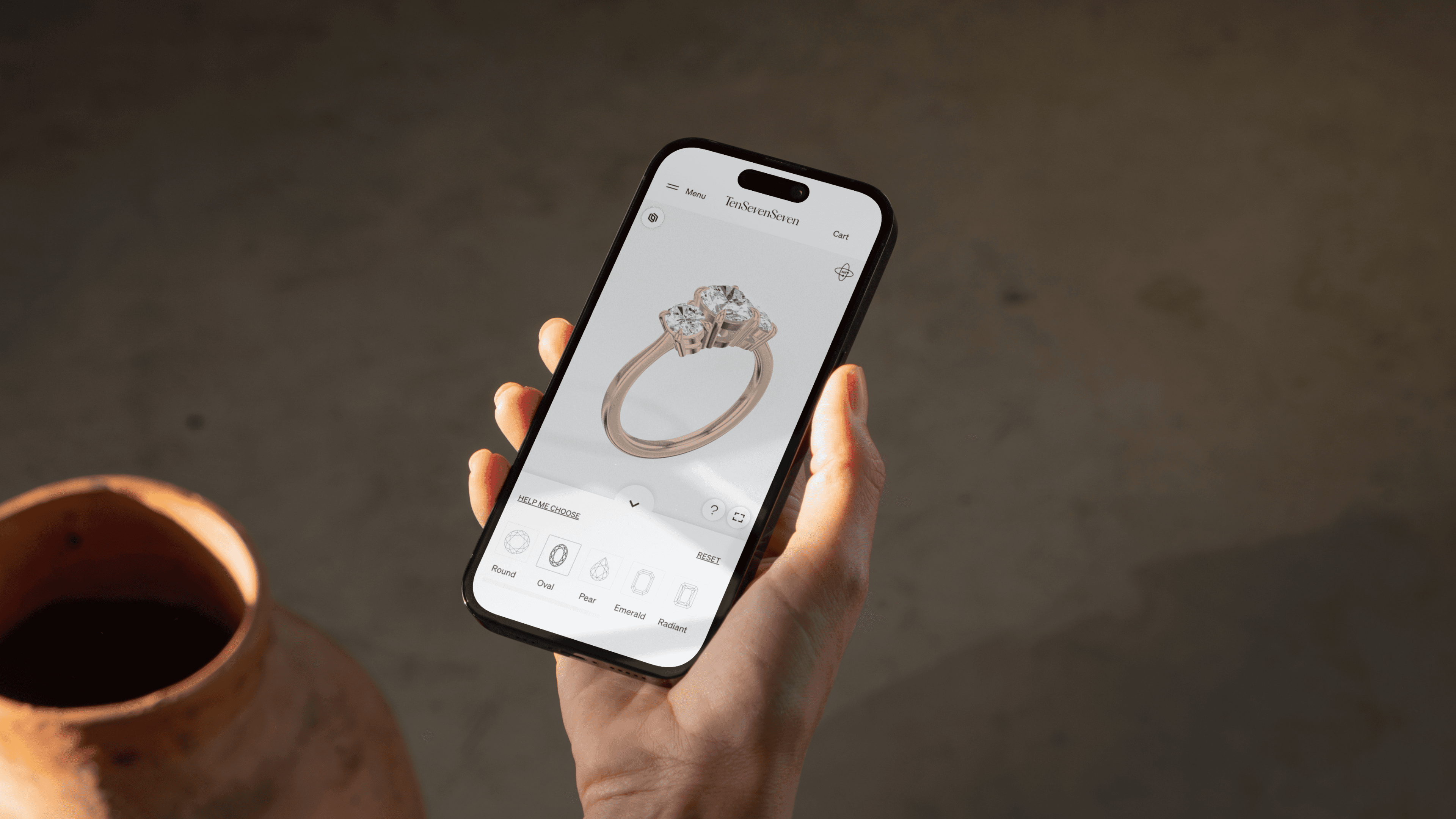
Michael Hill's new luxury brand. A mobile-first ring builder where you design a bespoke ring in 3D, and buy it online without the nerves.

TenSevenSeven
role

Lead Designer

team

Endava — one-year hybrid squad, embedded with the client

shipped

2024

recognition
overview

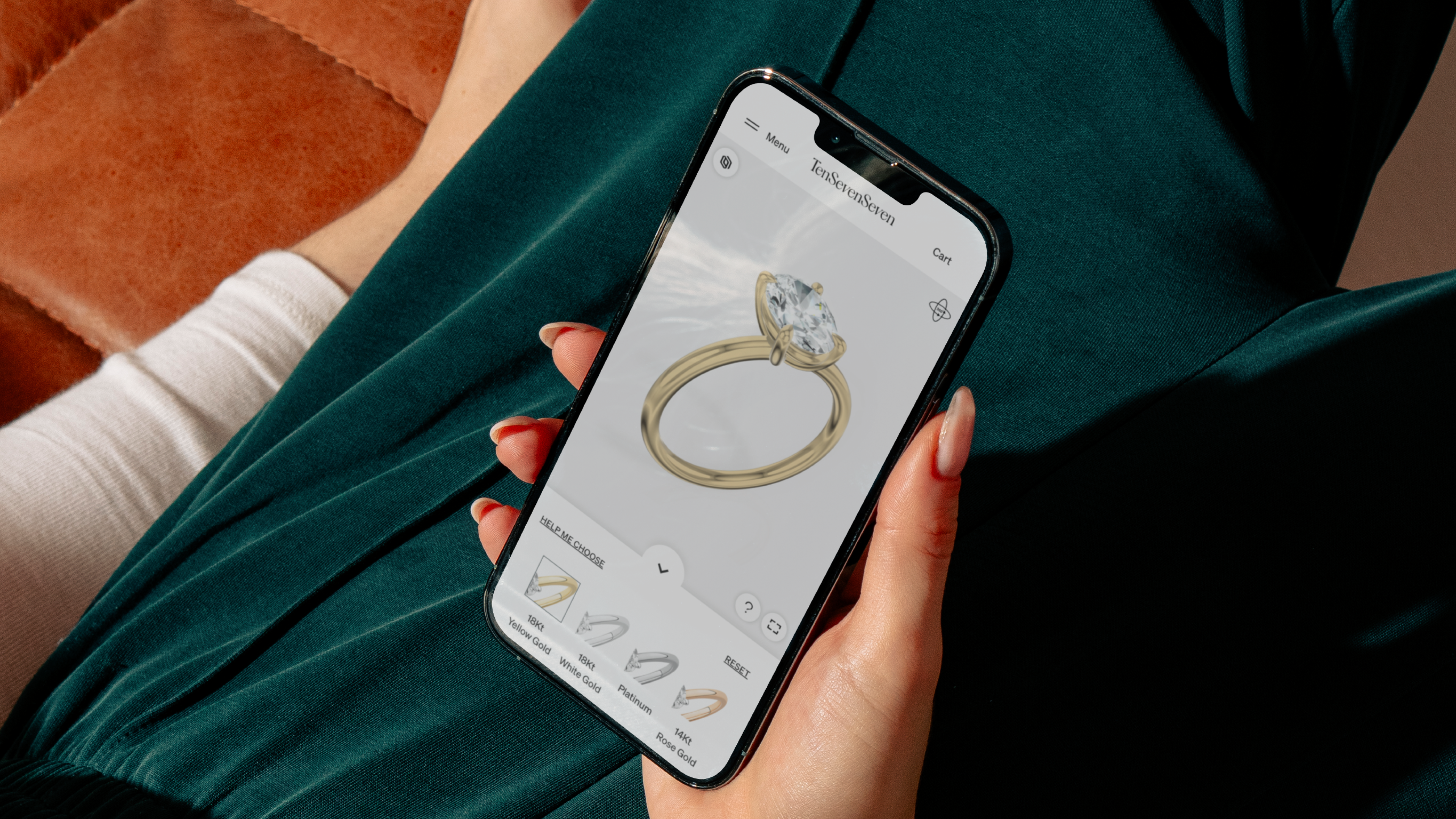
TenSevenSeven is a brand-new luxury business for the Michael Hill Group. It sits at the top of the group's line-up, above Michael Hill itself, and it's its own brand rather than a feature bolted onto an existing site. We spent a year embedded with the client building a mobile-first 3D ring builder: pick a real, certified diamond, choose the setting and metal, and watch the ring come together in front of you. The harder job was giving people enough confidence to actually buy it online. It started with proper discovery and a competitor teardown, ran on a bespoke headless design system, and every flow got wireframed, tested and signed off as we went. One insight shaped it all: luxury shoppers loved working with independent jewellers, but they hated the awkward budget conversation, and going online lacked any romance.

the brief

“Buying a ring from Michael Hill would be engagement suicide.”

approach
01
Discovery

Understanding a luxury buyer

We started with the client to nail down what "premium and bespoke" actually meant. A competitor teardown made it clear fast: this had to be a mobile-first product, not a website.

stakeholder interviewscompetitive analysisjourney mappingpersonas
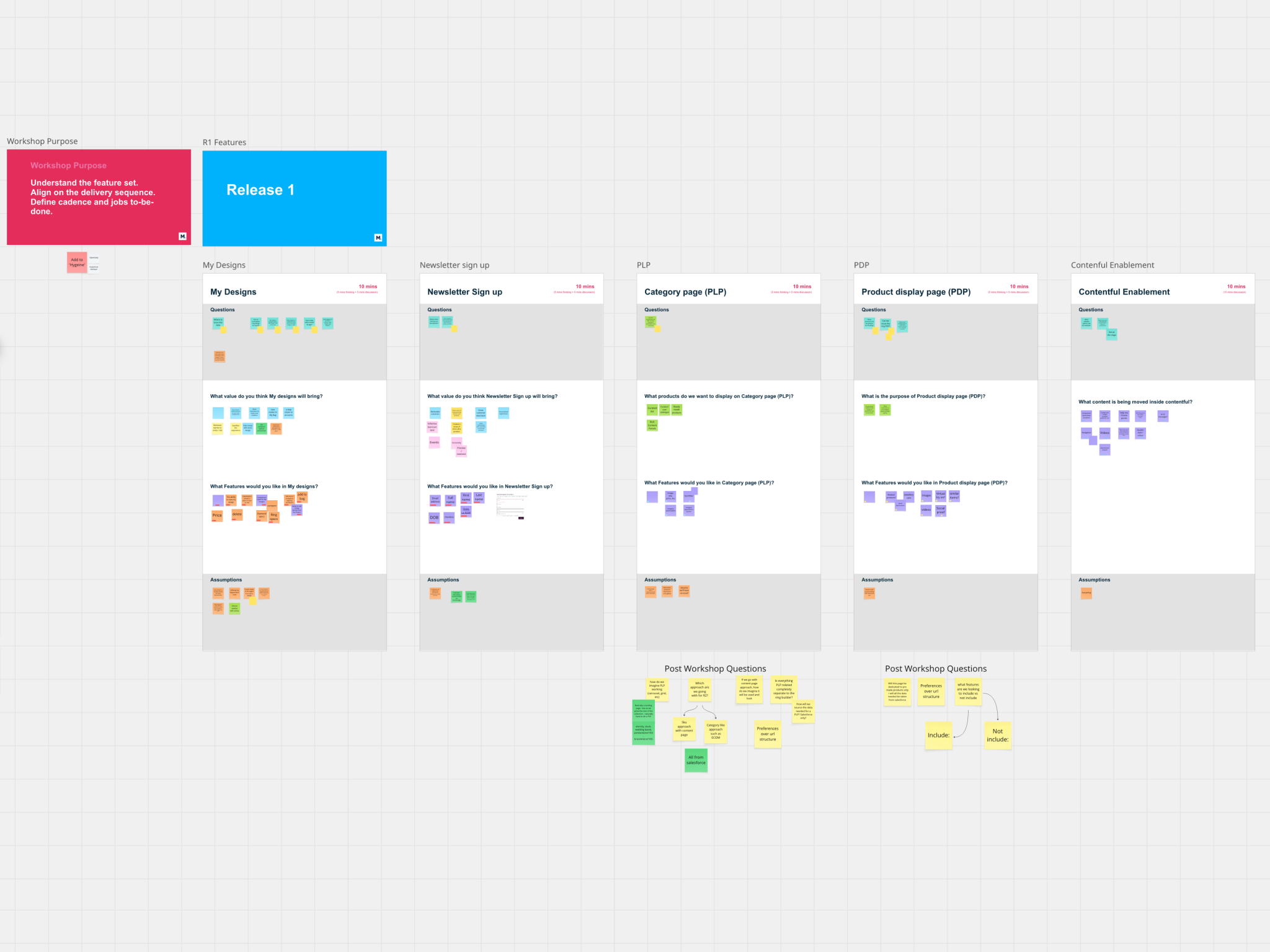
Miro
02
Foundations

A system to build on

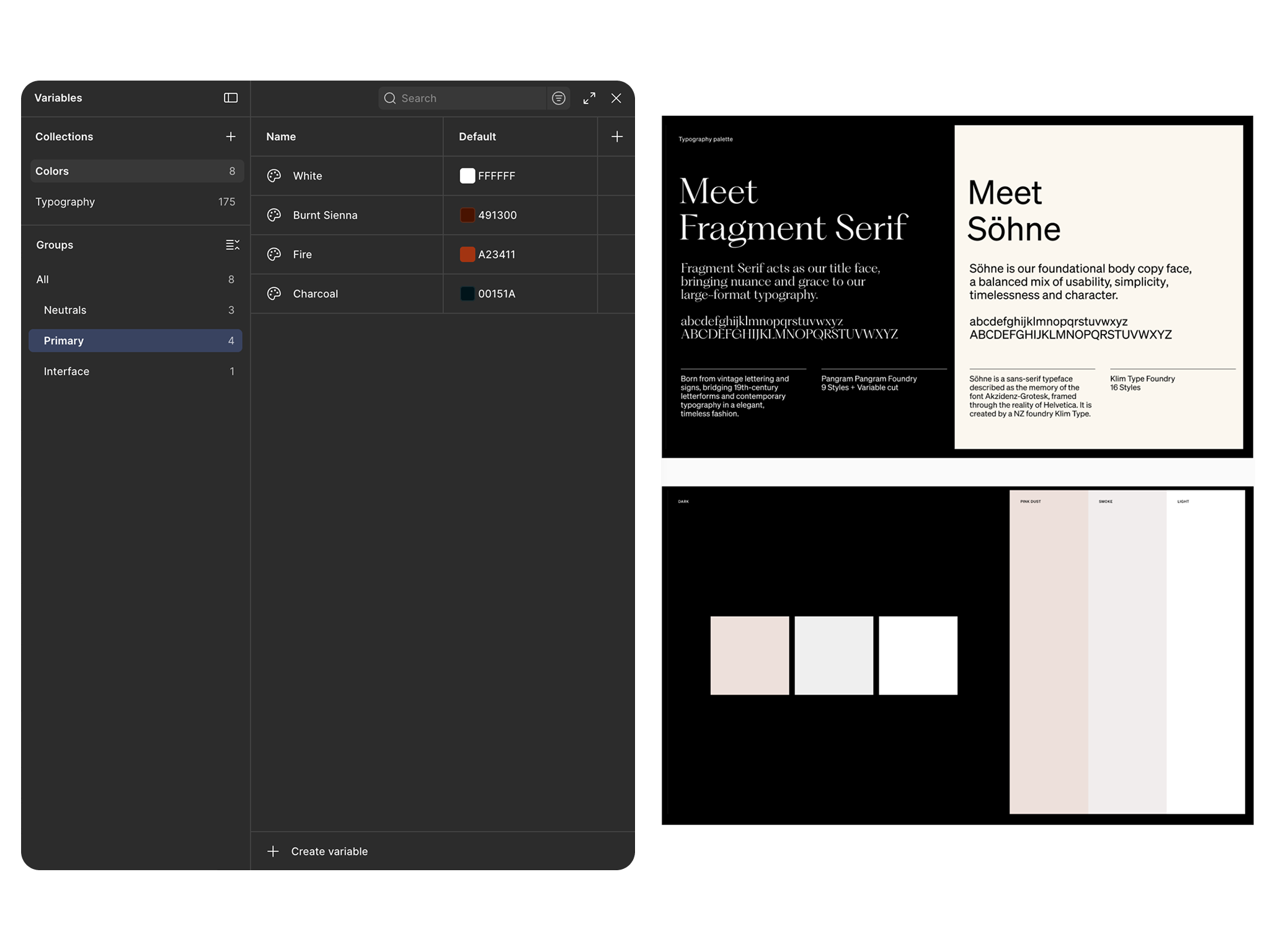
Before any real screens, we built a bespoke design system for a headless setup, the components and tokens everything else is built from. It cost time up front but made every screen after it faster and more premium.

design system architecturecomponent designinteraction patternsaccessibility
Tokens
03
The ring builder

From wireframe to the real thing

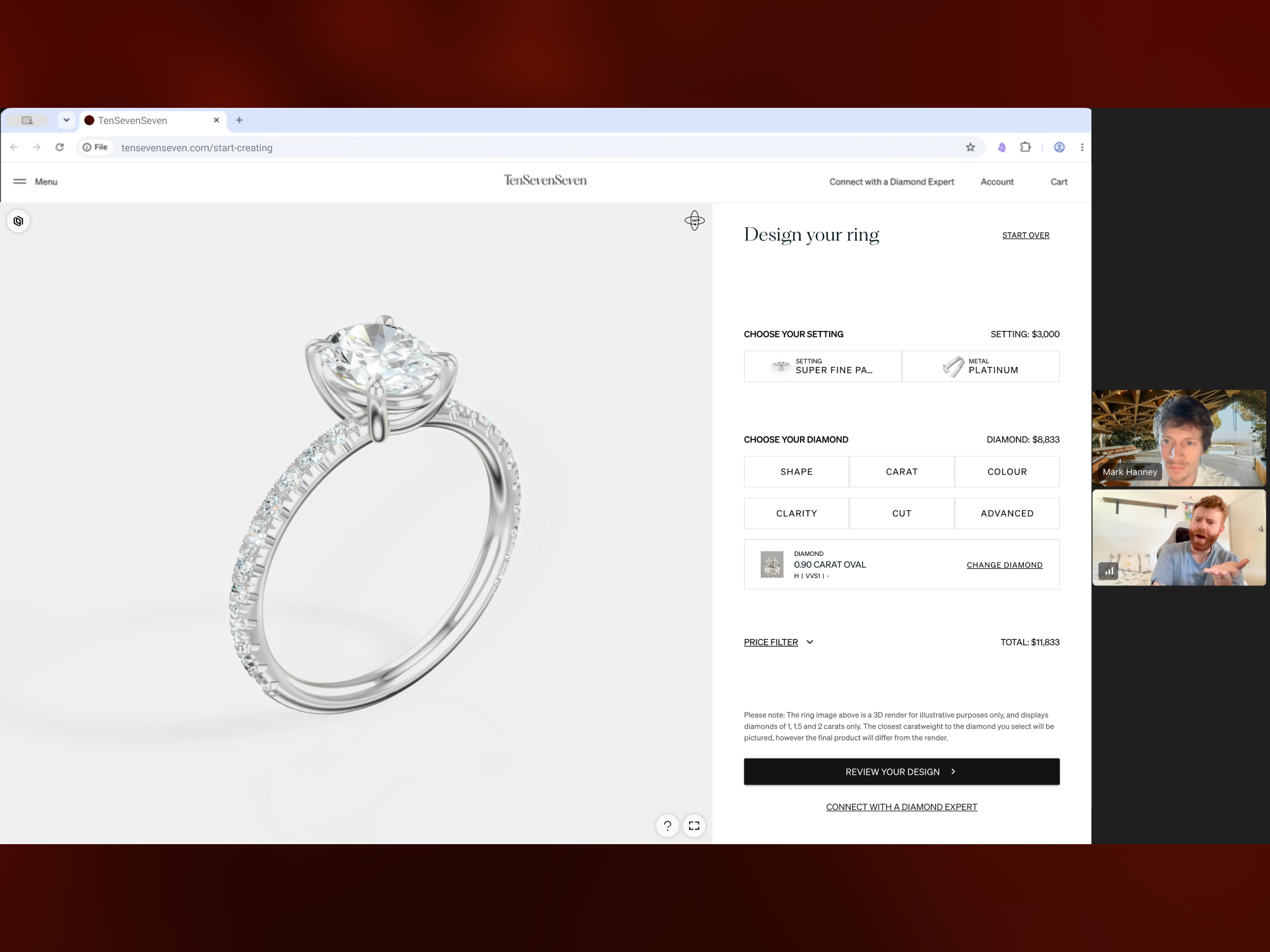
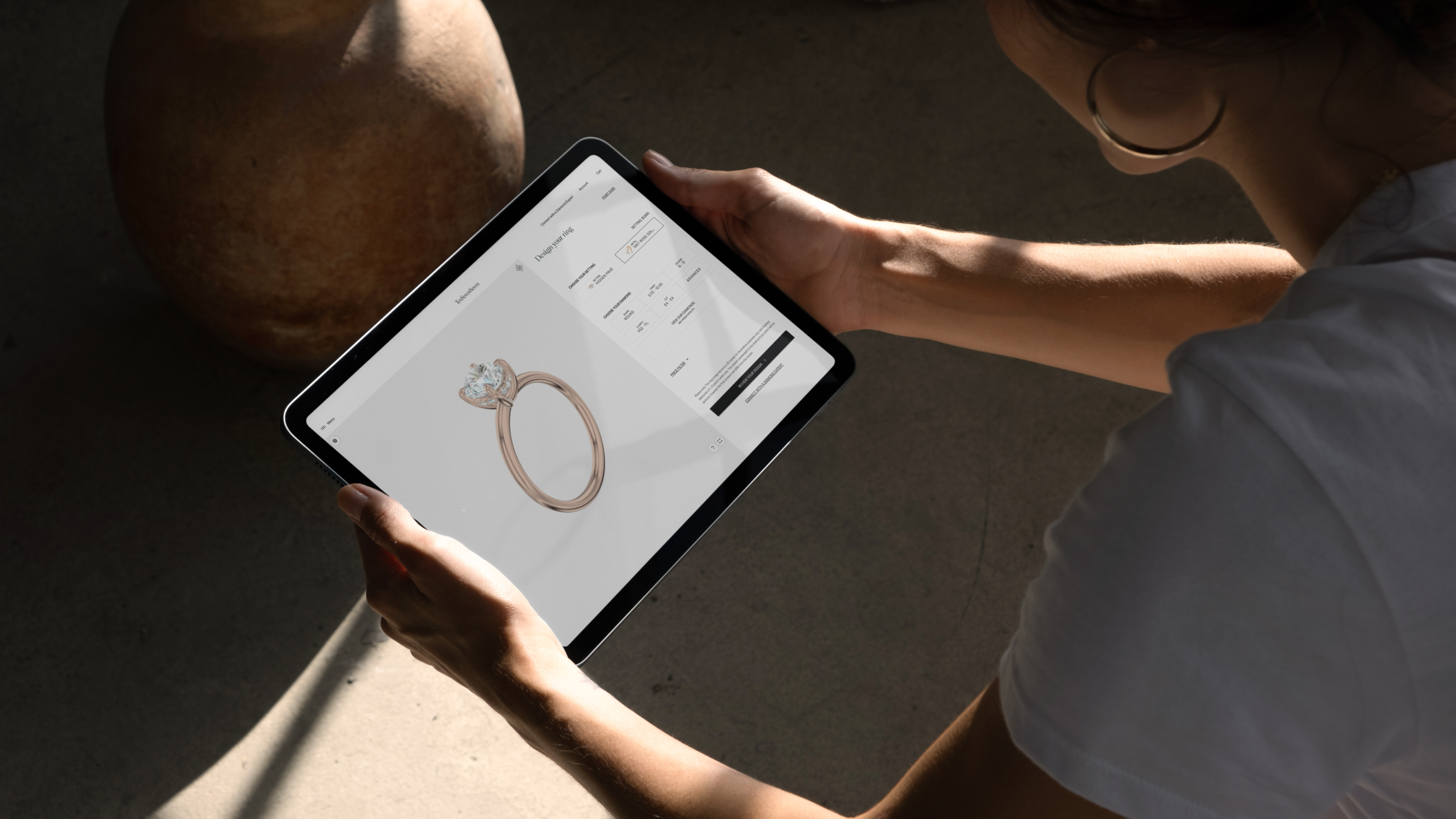
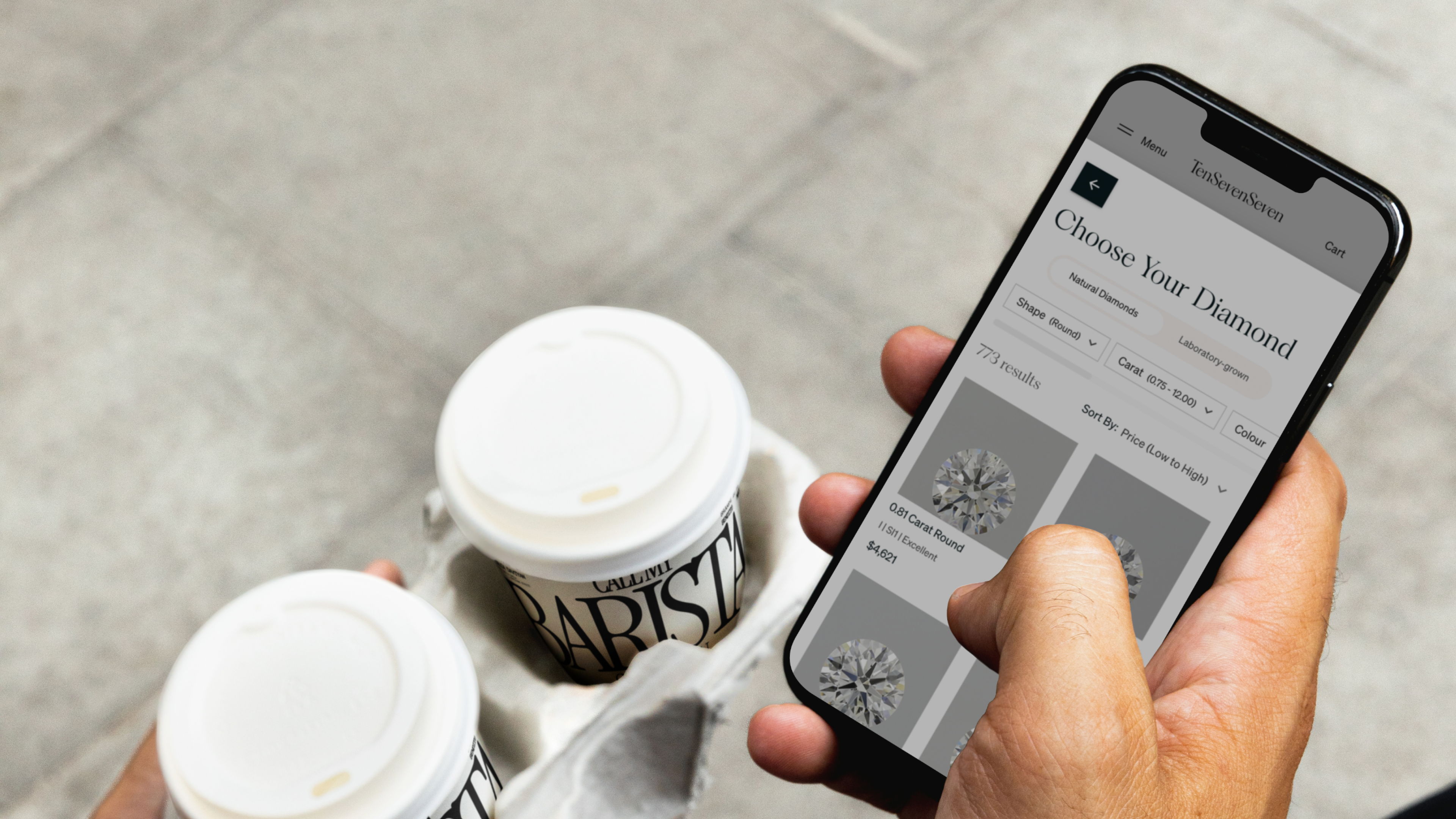
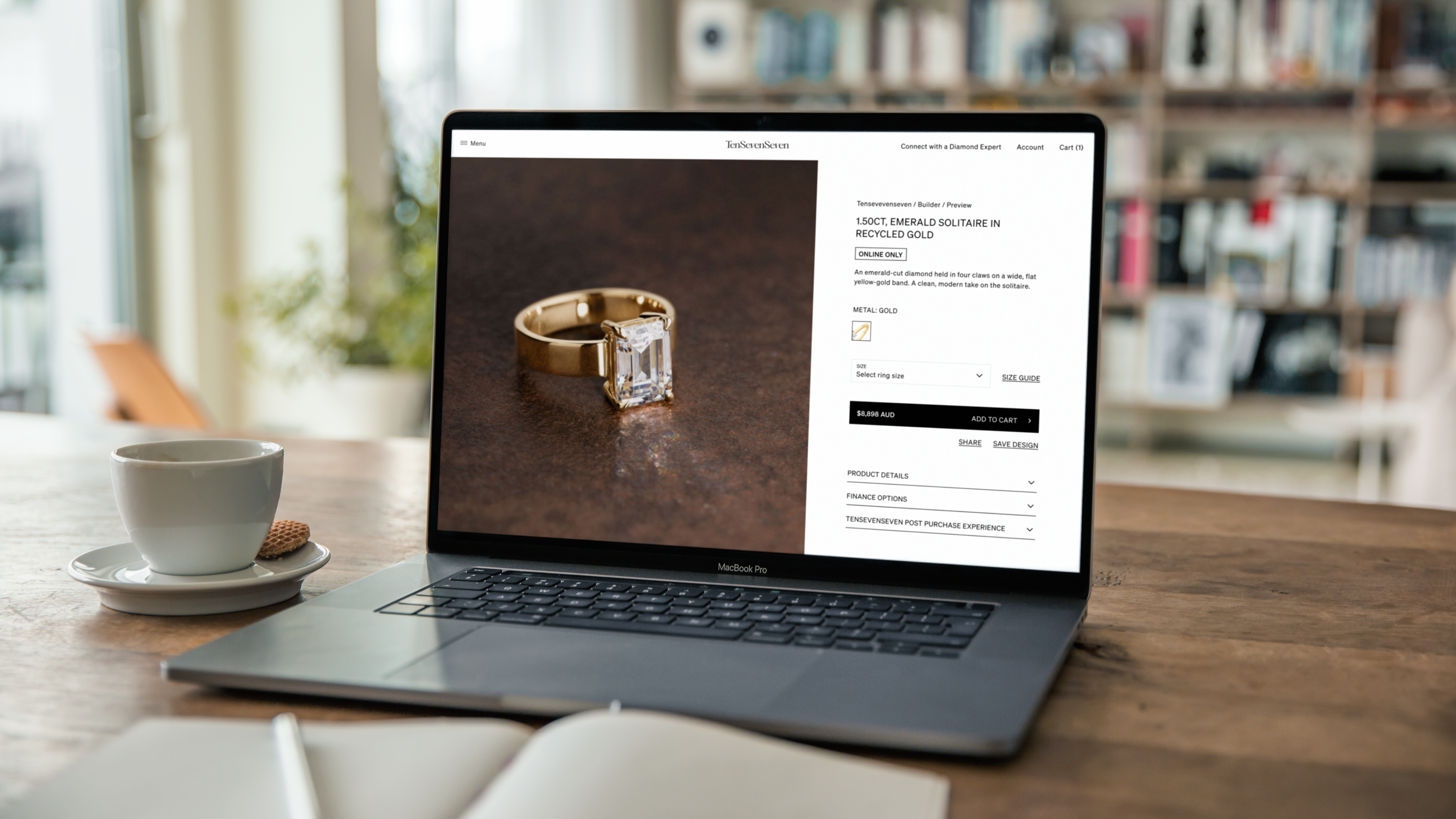
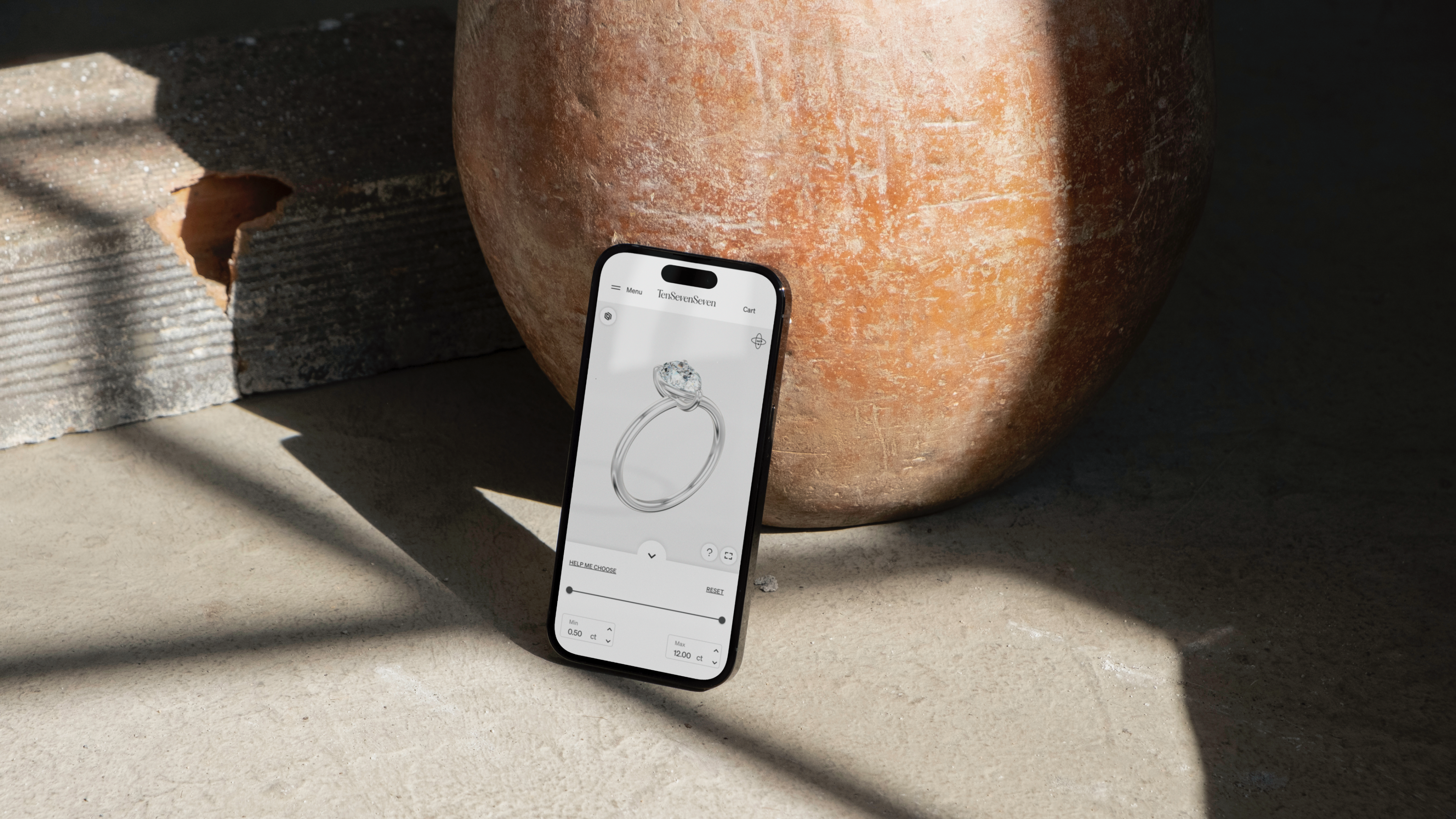
We built the ring builder section by section, signing each part off as we went, from the diamond (the four Cs) and settings to a live diamond API showing the real certified stone you're buying. Then we took it to full fidelity, with the motion and 3D that make the ring feel alive.

wireframinghigh-fidelity uimotion designdesign specs / handoff
04
Confidence & concierge

Spending $50k online, without the nerves

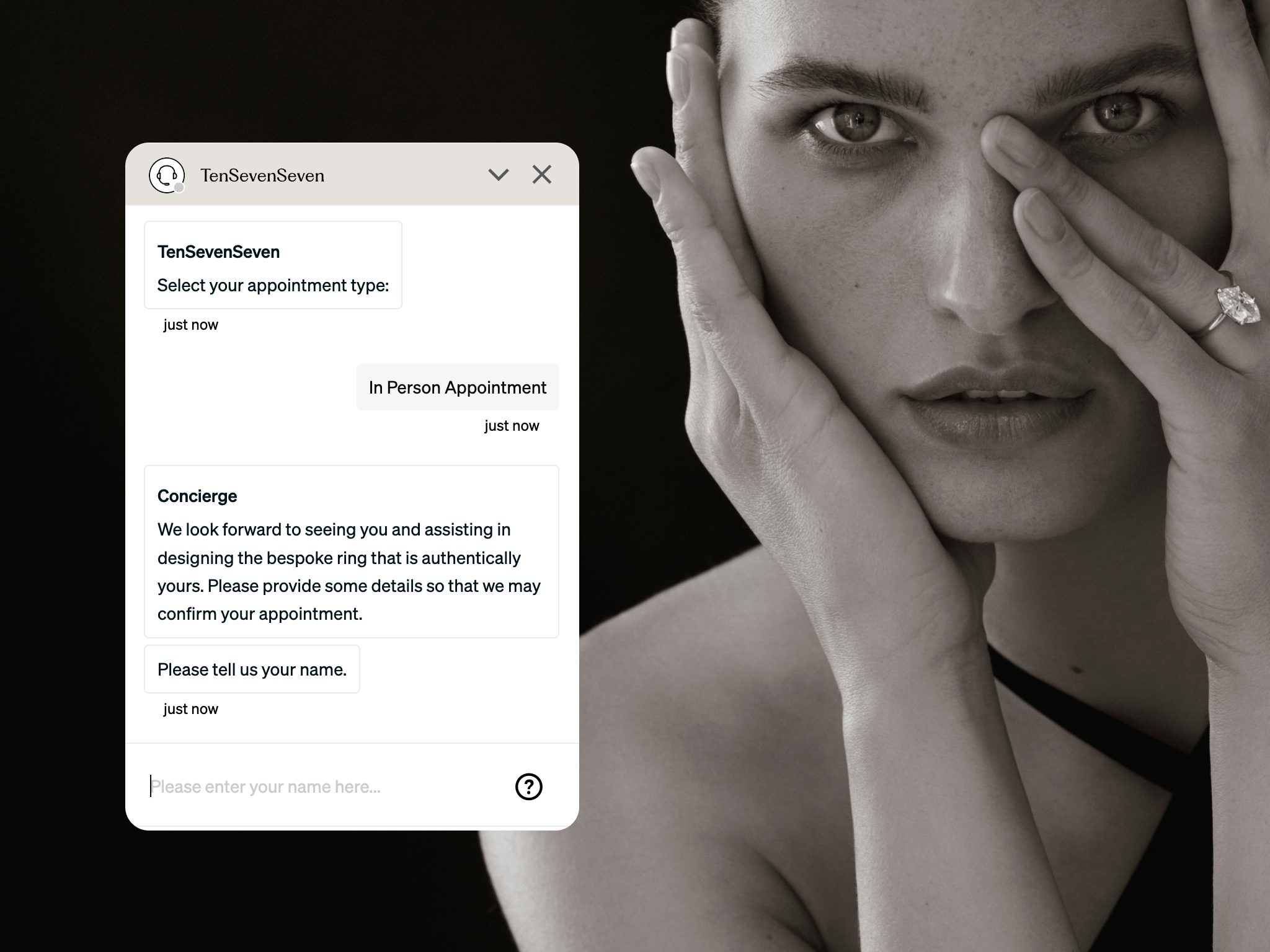
The real problem: how do you get someone comfortable spending tens of thousands on a ring they can't hold? You give them a human, an online concierge plus in-store experts, with cart, wishlist and share so it's a shared decision, not a solo checkout.

service designservice blueprintux writingconversion design
Concierge
05
Test & ship

Making sure it held up

We built a proper testing environment, pulled together user groups around our personas, and put the whole confidence question to real people. It shipped with a prioritised backlog of what to do next.

usability testingresearch synthesisdesign QAbacklog prioritisation
User Testing
tl;dr

Michael Hill's new luxury brand, designed end to end: a mobile-first 3D ring builder, from the design system to the motion that makes a ring feel real. It shipped, and it sells.

$130k
spent on a single recent sale
+190
ring-builder interactions per day
$28k
average order value
186%
average order value above business forecast
The design challenge

Making someone feel safe spending $50k on a ring they can't hold.

The system

A bespoke design system for a headless build, the base every screen sits on.

The ring builder

Designed from wireframe to full 3D and motion, so the ring feels real before you buy.

The result

Shipped, and selling well beyond forecast.

now, with ai

What i'd do differently now

This shipped in 2024, before AI was part of the day-to-day. Today the slow parts of a luxury build (prototyping 3D, testing confidence, keeping a bespoke system in sync) would move at the speed of the ideas.

competitor teardown

thenCompetitor sites reviewed and compared by hand.

nowAn agent crawls the luxury market and produces a structured teardown of flows, pricing language and trust signals, so discovery starts at the insight rather than the spreadsheet.

ring builder prototyping

thenWireframes, then hi-fi, then motion, each signed off before the next.

nowCoded prototypes built against the real design system from day one, so the client signs off on something that already moves and feels like the product.

testing confidence

thenUser groups recruited and sessions synthesised by hand.

nowAI-moderated sessions run at scale against the personas, with synthesis ready the same day, so the $50k confidence question gets tested far more often.

design system

thenA bespoke headless system kept in sync between design and build by people.

nowTokens as the contract, with an agent keeping Figma and code one-to-one and flagging drift.

Claude CodeFigma MCPMaze AI
built with
next project
Michael Hill🚧 coming soon